Description
There are mentions of an automatic writing method from China from as early on as c. 1100CE, where planchette writing was used as a means of communication with the spirit-world. The talking Ouija board as we now know it has been around since the 1880’s, and it divides people on whether these boards can actually contact the spirit-world, and if yes, are they dangerous.
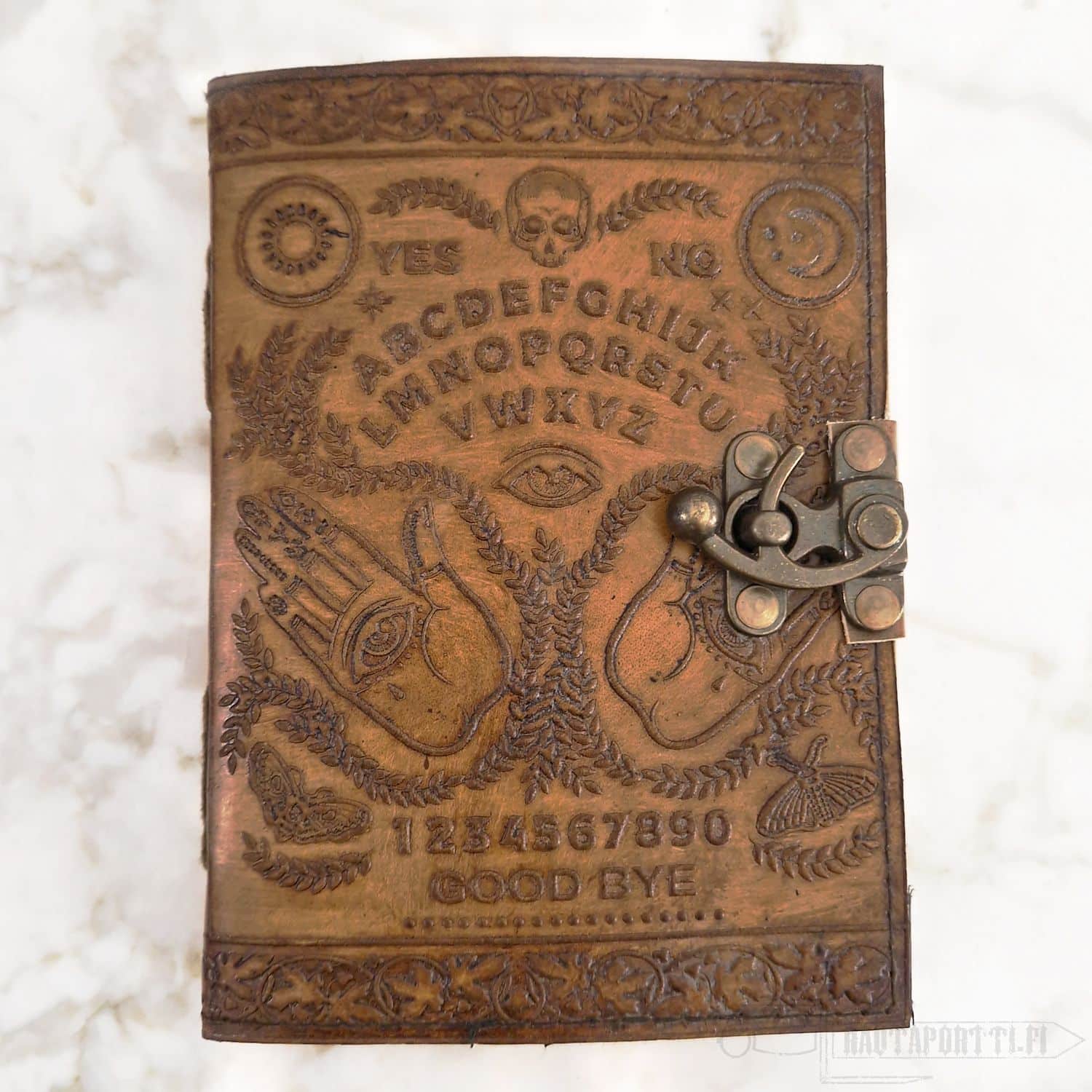
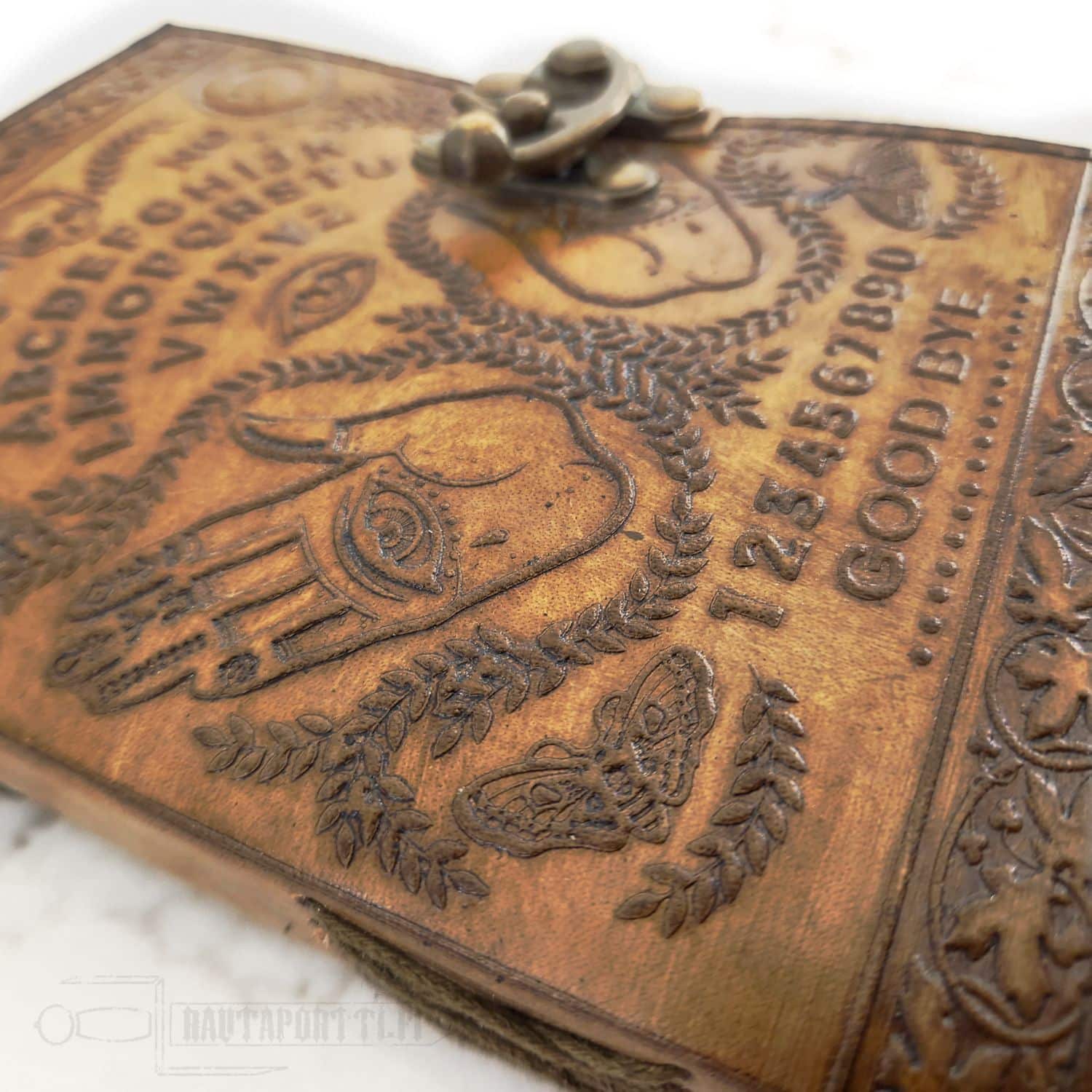
The Ouija is simply a flat board marked with the letters of the alphabet, the numbers 0–9, and the words “yes”, “no”, “hello” and “goodbye”, often along with other symbols. The board is used with a planchette, a movable indicator, to spell out messages. The planchette enables the spirits, (or the practitioners, depending on what you believe), to answer questions. Participants place their fingers on the planchette, and it then moves about the board to spell out words.
The name Ouija is trademarked by Hasbro, a company known for popular games and toys. The board has been marketed as a parlor game, but the origins of the board are heavily connected to the Spiritualism movement in the United States. Spiritualists believe that the dead are able to contact the living. Following the American Civil War in the United States, mediums did significant business in allowing survivors to contact lost relatives, and another uptick in the popularity of the board came after the dramatic loss of lives after the First World War.
Ouija boards have figured prominently in horror tales as devices enabling malevolent spirits. A Ouija board features in the horror film The Exorcist. The young girl makes a contact, and becomes possessed by a demon. The film inspired many of the occult associations with the board that last to this day. To many, the board is associated with witchcraft, demonic rituals, and evil spirits. The Ouija board has been condemned by many religious groups since it first came out.
Is it a game or witchcraft? What is a game for one person, may be spiritual practice for another, and what is a silly parlor trick to one, is seen as a dangerous activity to another.
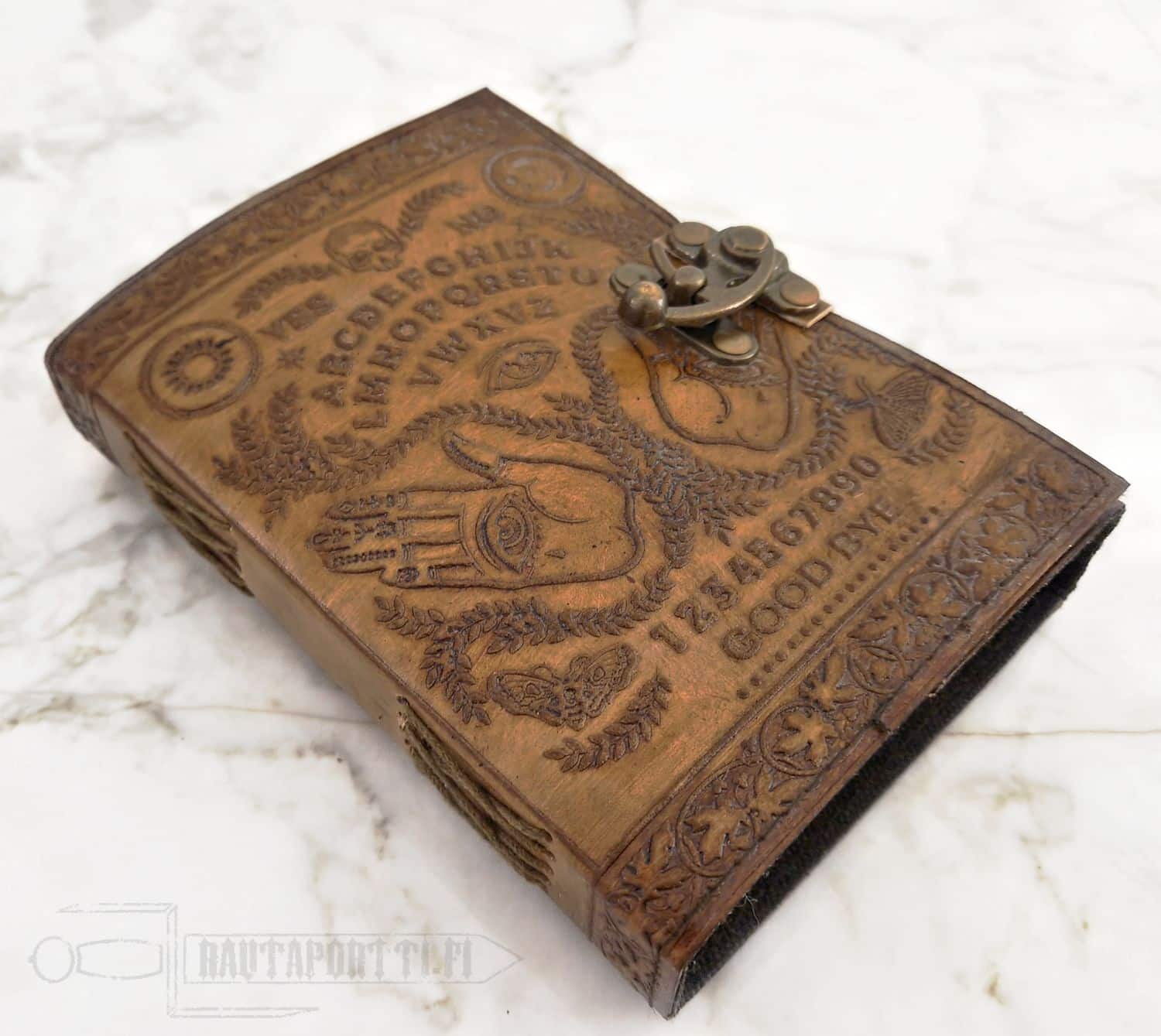
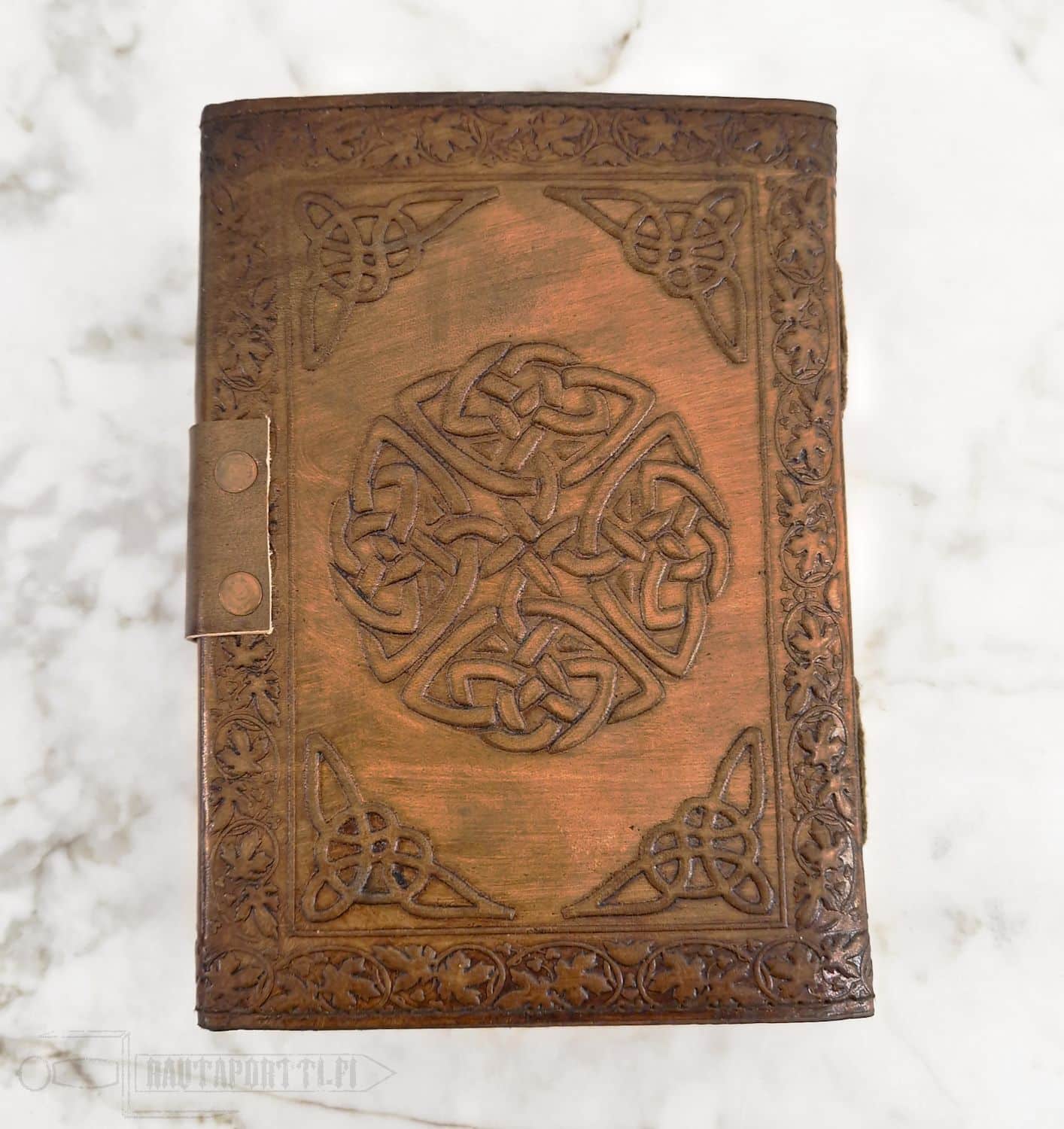
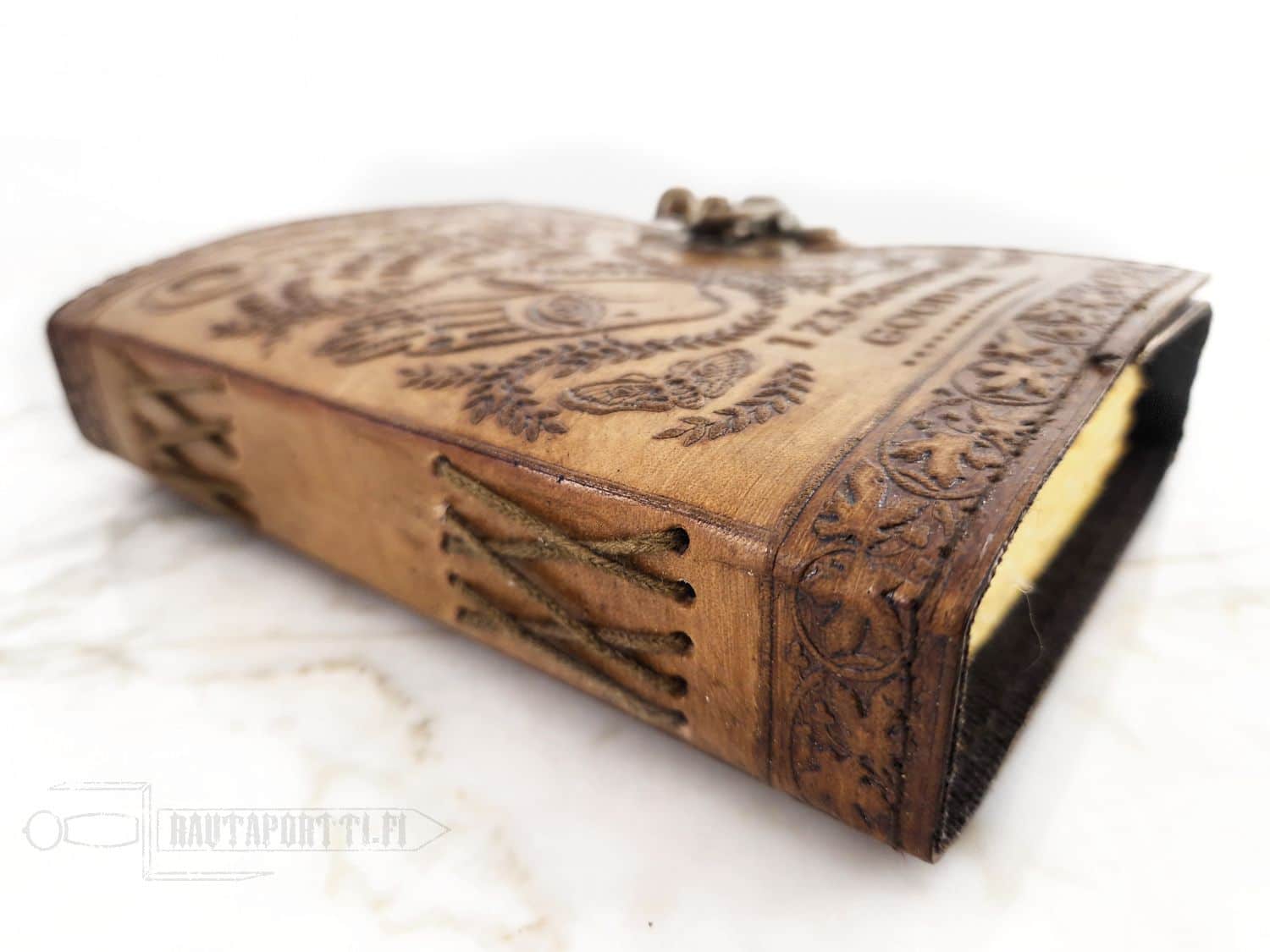
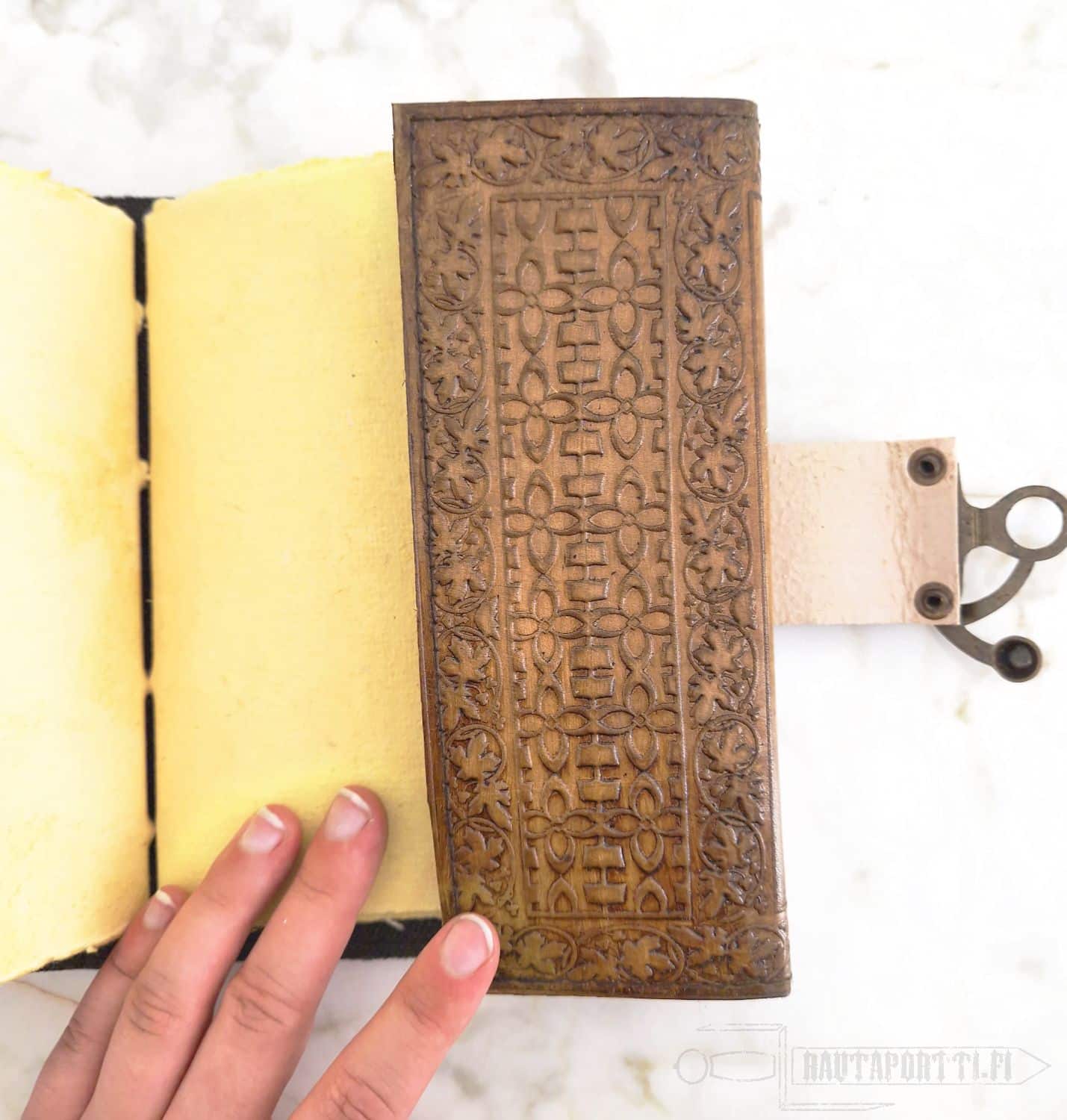
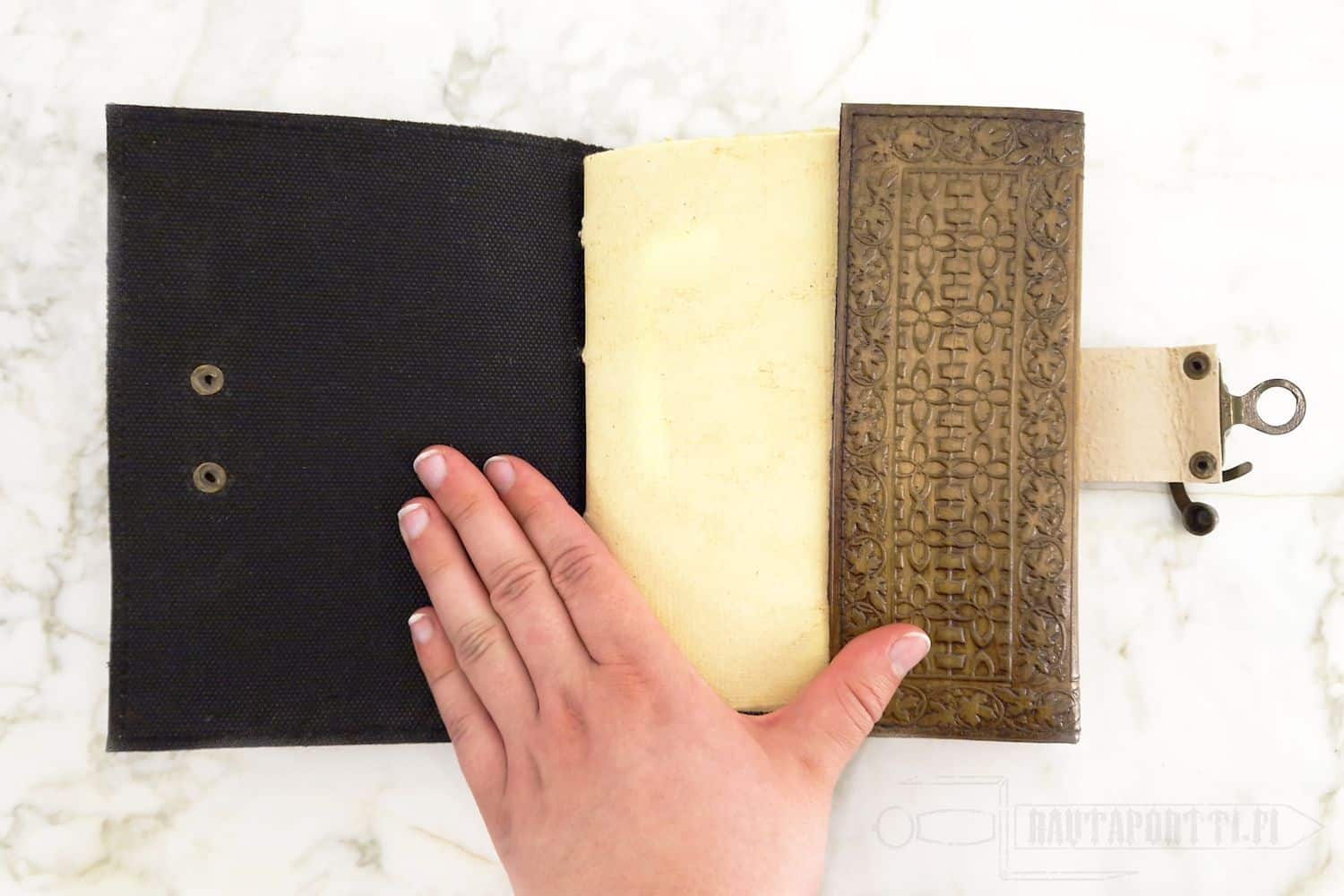
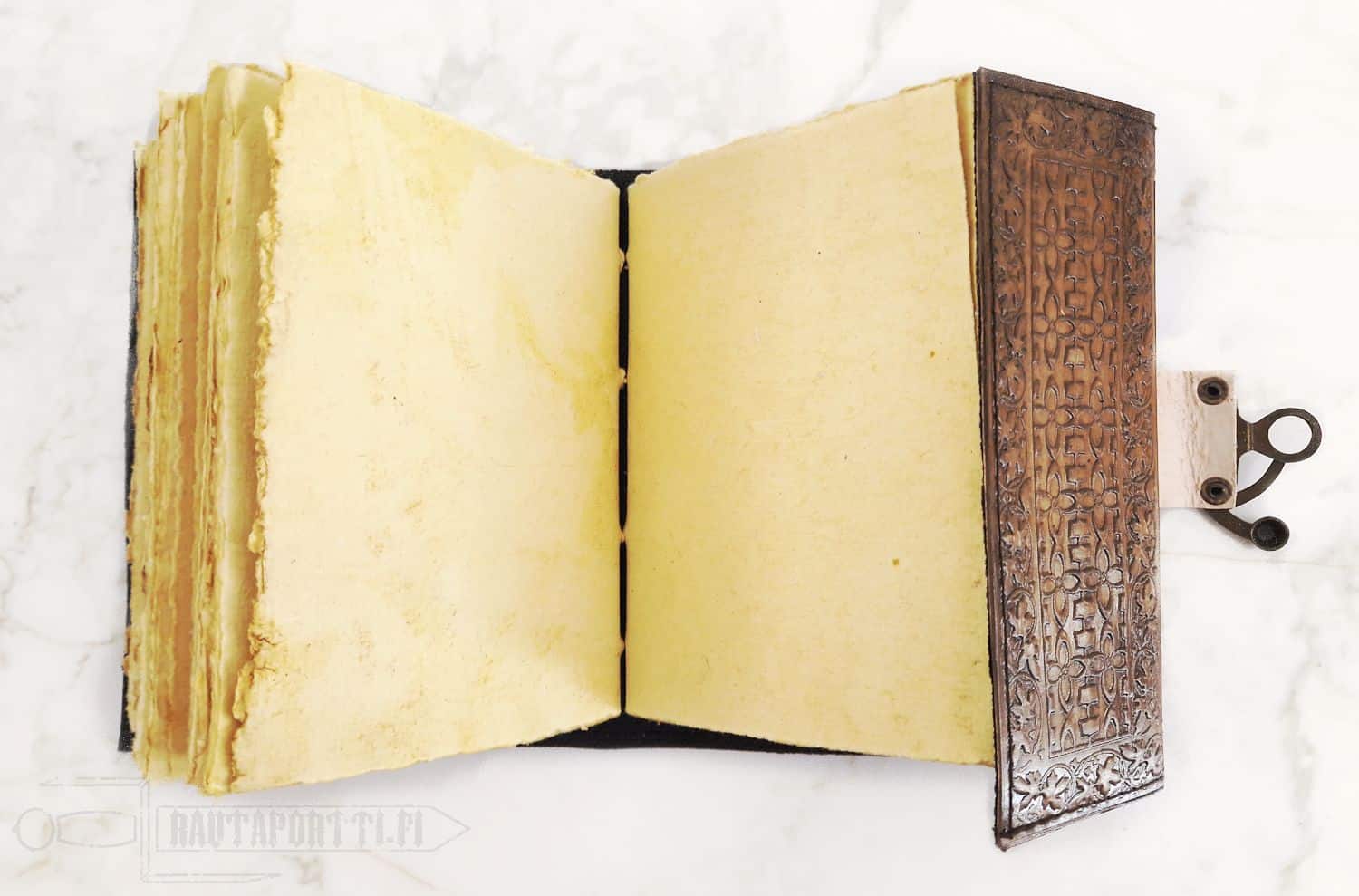
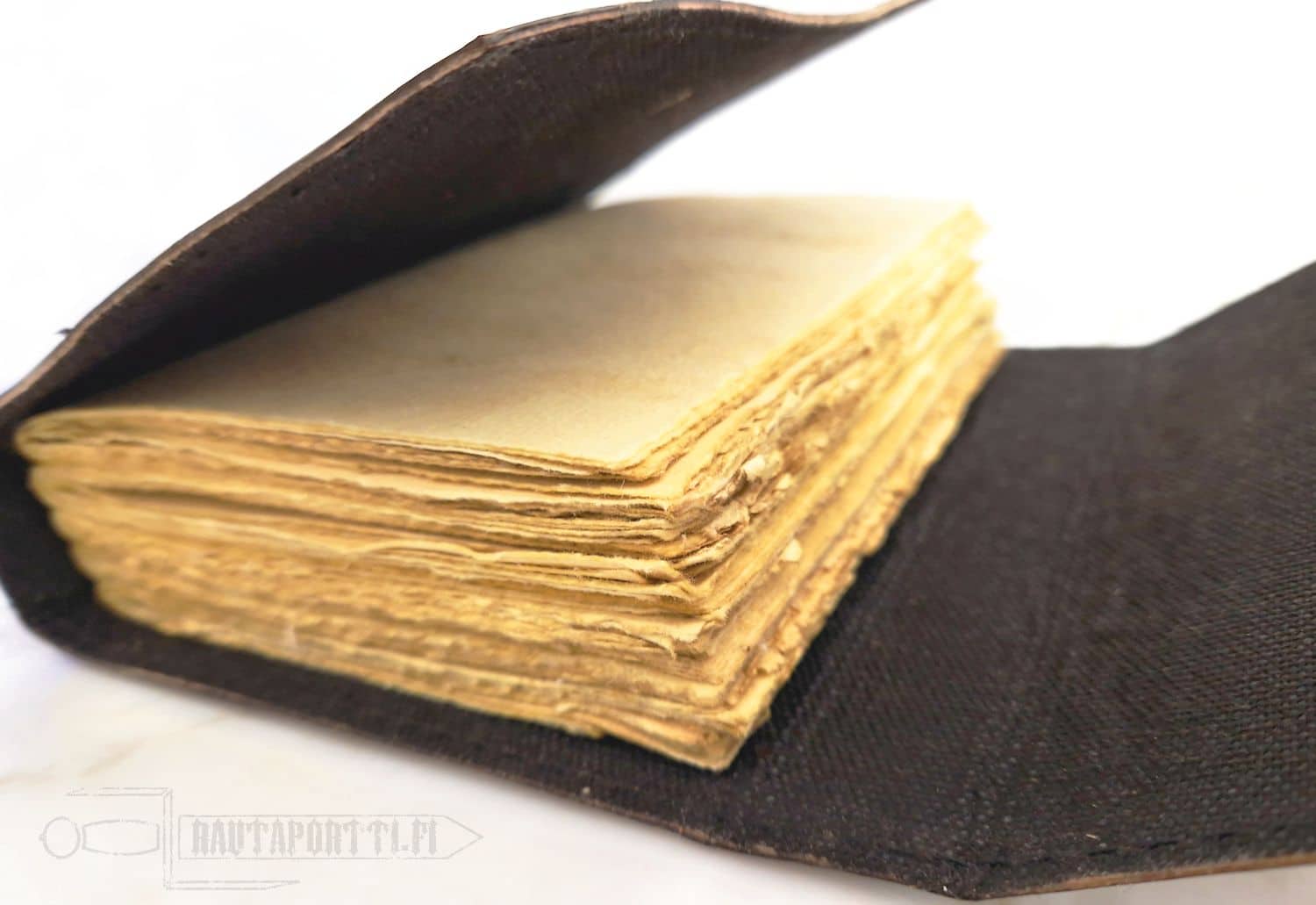
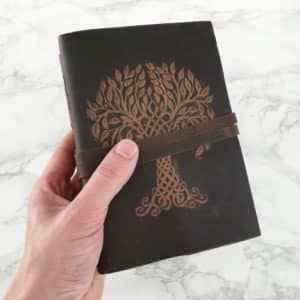
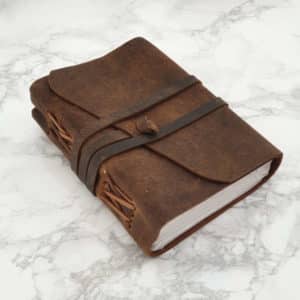
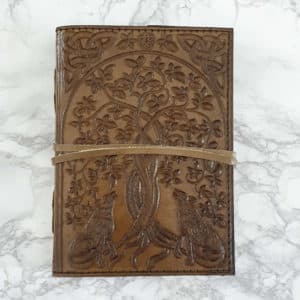
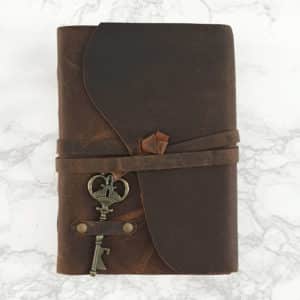
This journal has thick embossed leather covers. Inside you can find approx. 240 empty handmade antiqued cotton paper pages waiting for your notes, drawings, spells, thoughts, travel plans, or whatever the spirit guides you to write. You can use this book for example as a diary, for customer orders, drawings, as a gardeners notebook, travel book, guest book (also why not as a quest book) or as a book for your own family tree, recipe book and so on.
- The cover is made of cow leather
- The paper is handmade cotton paper
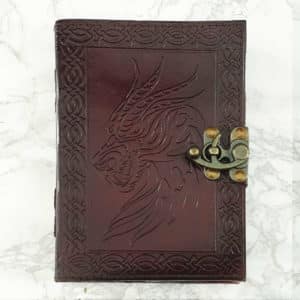
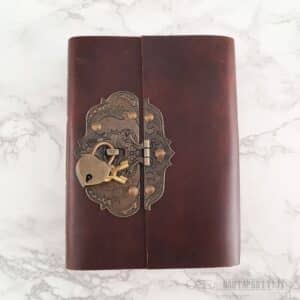
- This book can be closed with a metal clasp
- Thickness of the cover leather is approx. 2-3 mm
- Approx. 240 writable pages
- Size approx. 17,5 cm x 13,5 cm x 4.2 cm
- Weight approx 400 g
Reviews
There are no reviews yet.